A timely agenda
Key developments in finance, insurance, pensions, asset management, risk management and sustainability
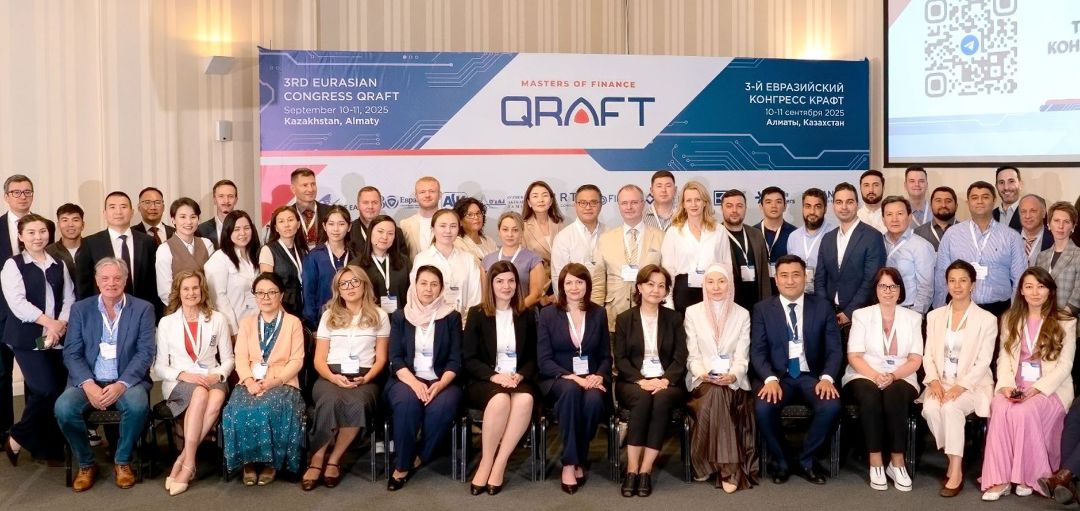



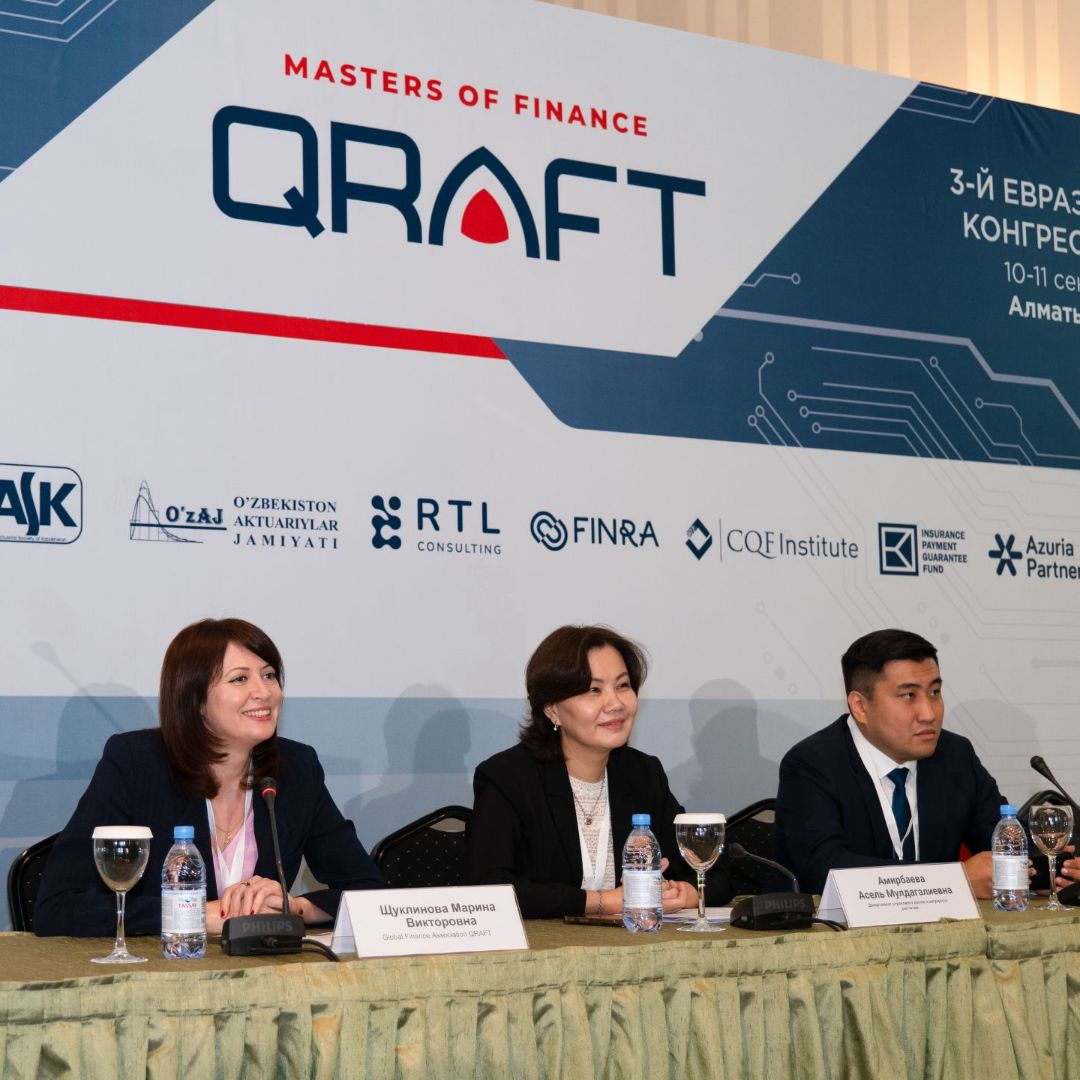
Marina Shchuklinova
Director of the Eurasian Congress

- The EEC is the permanent supranational regulatory body of the Eurasian Economic Union (EAEU)

- Quants, risk managers, actuaries, fintech, professional communities and financial organisations


- Belarusian National Reinsurance Organisation
- Quants, risk managers, actuaries, fintech, professional communities and financial organisations

- Quants, risk managers, actuaries, fintech, professional communities and financial organisations

- Quants, risk managers, actuaries, fintech, professional communities and financial organisations

- Quants, risk managers, actuaries, fintech, professional communities and financial organisations

- Quants, risk managers, actuaries, fintech, professional communities and financial organisations

- Society of Actuaries of Kazakhstan
25 years of professional activity- Quants, risk managers, actuaries, fintech, professional communities and financial organisations

- Quants, risk managers, actuaries, fintech, professional communities and financial organisations

- Kyrgyz Society of Actuaries
- Quants, risk managers, actuaries, fintech, professional communities and financial organisations

- Quants, risk managers, actuaries, fintech, professional communities and financial organisations

- Quants, risk managers, actuaries, fintech, professional communities and financial organisations

- Quants, risk managers, actuaries, fintech, professional communities and financial organisations

- Society of Actuaries of Uzbekistan
- Quants, risk managers, actuaries, fintech, professional communities and financial organisations

- Quants, risk managers, actuaries, fintech, professional communities and financial organisations

- Quants, risk managers, actuaries, fintech, professional communities and financial organisations

- Quants, risk managers, actuaries, fintech, professional communities and financial organisations

- Quants, risk managers, actuaries, fintech, professional communities and financial organisations
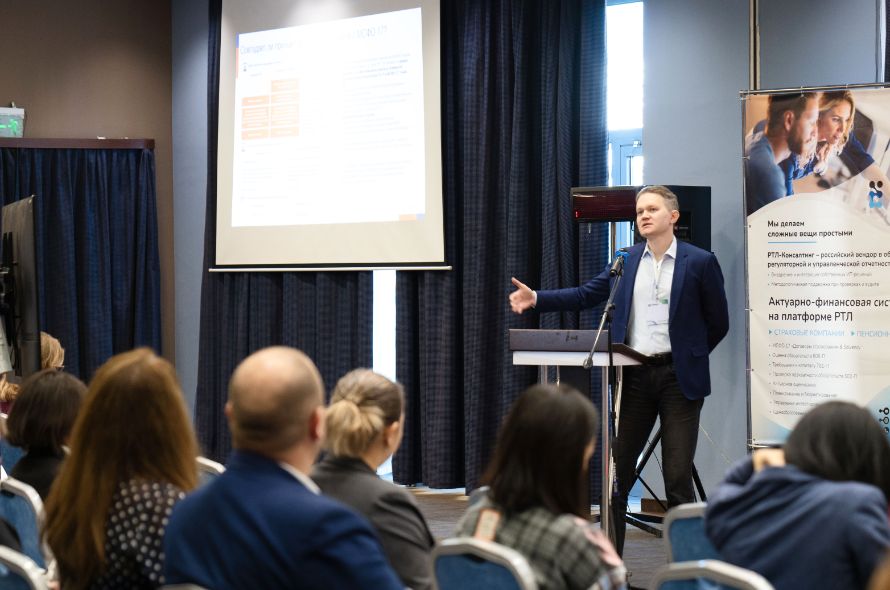
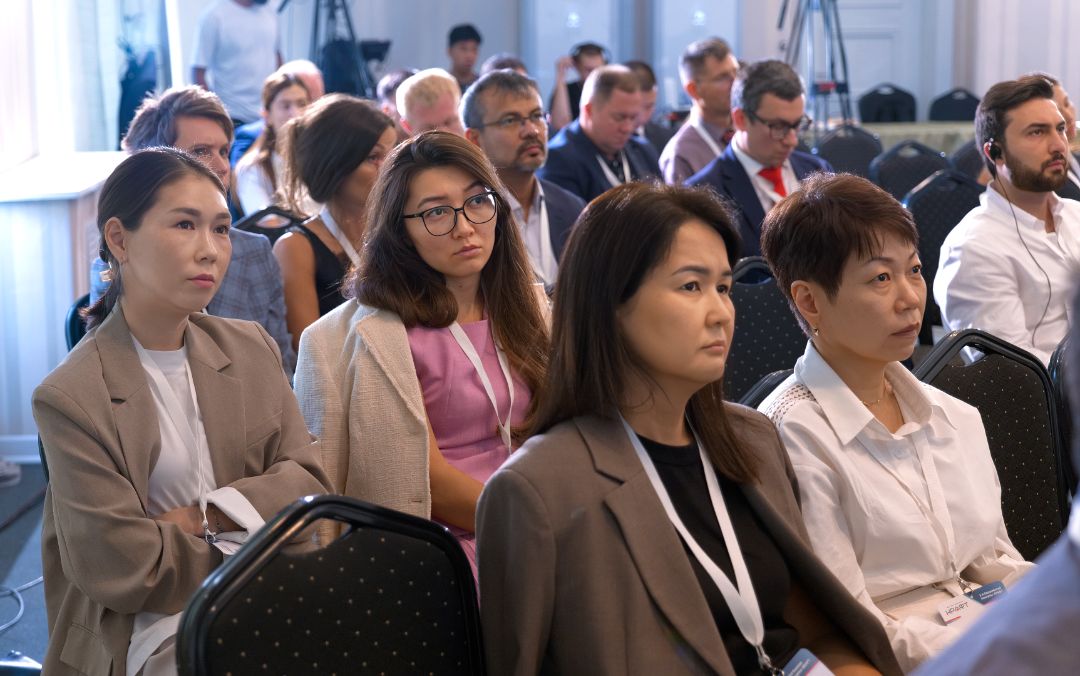
This is a forum where you can hear the views of key market participants and discuss directly how approaches to risk, data, AI, technology and the broader financial agenda are evolving.
The Congress helps participants to:
For banks, insurance companies, investment and pension funds, asset managers, audit and consulting firms, fintech projects, start-ups and other financial market participants.
The Congress helps participants to:
For professional communities, industry associations, self-regulatory organisations, certification centres, regulators and central banks, relevant ministries and government bodies, as well as other financial market organisations and industry bodies.
The Congress helps participants to:
For executives, experts and researchers from regulators, financial institutions, fintech projects, consulting firms and academia who are ready to share practical experience and case studies.
The Congress helps participants to:
For banks, insurance companies, investment and pension funds, asset managers, fintech projects, consulting firms, ratings and analytical centres, industry associations and business media.
The Congress helps participants to:
When technology, regulatory practice and risk evolve faster than annual planning cycles, the 4th Eurasian Congress helps financial market participants understand which decisions should already be built into their work today.
Key developments in finance, insurance, pensions, asset management, risk management and sustainability
Practical implementation of AI/ML, data governance, digital infrastructure and new modelling approaches, including quantum technologies and cybersecurity
Direct engagement with market participants, regulators, business leaders, associations and experts - from informal discussions to public sessions
Opportunities to launch joint initiatives and projects with participants from different countries, find partners for specific challenges and discuss practical formats for collaboration
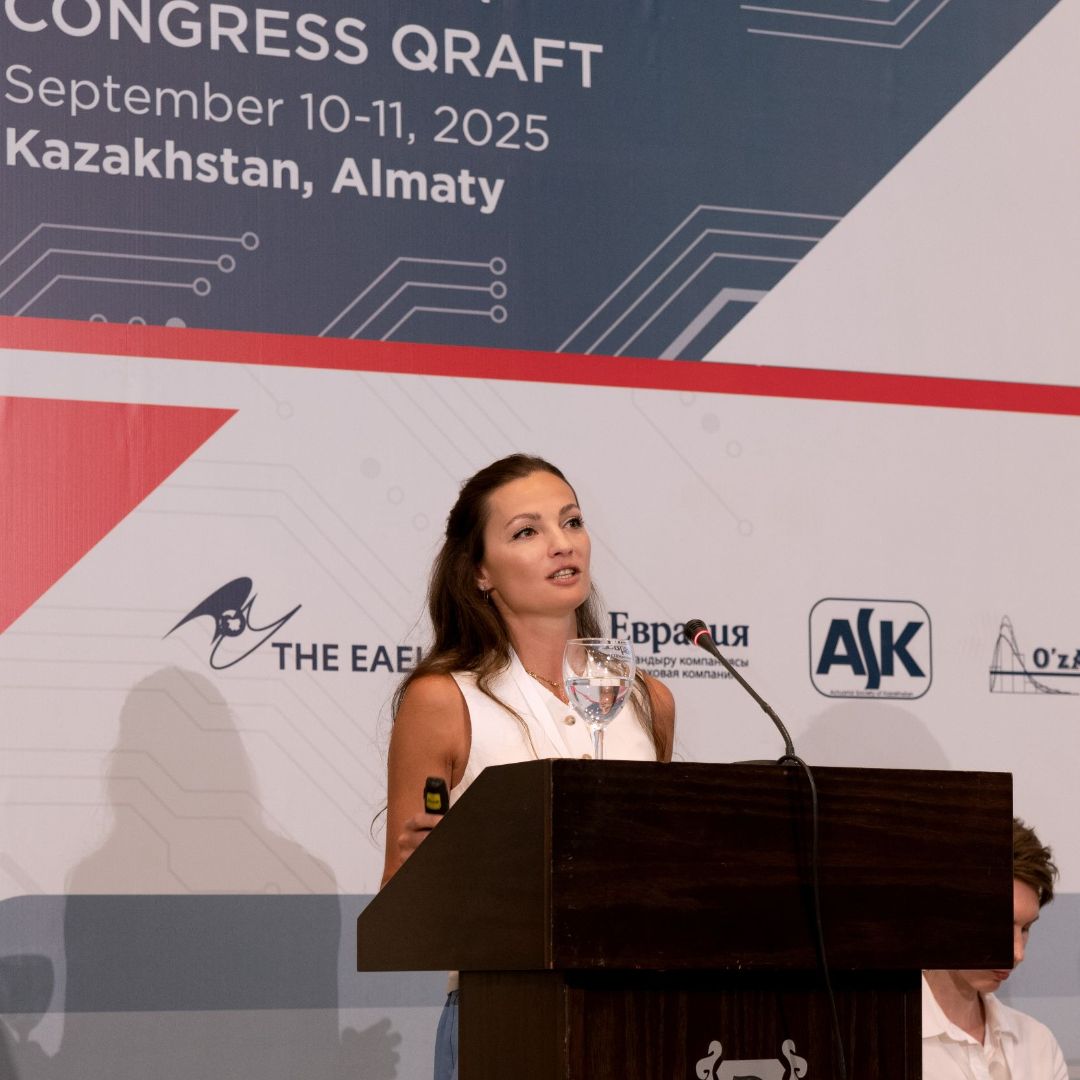
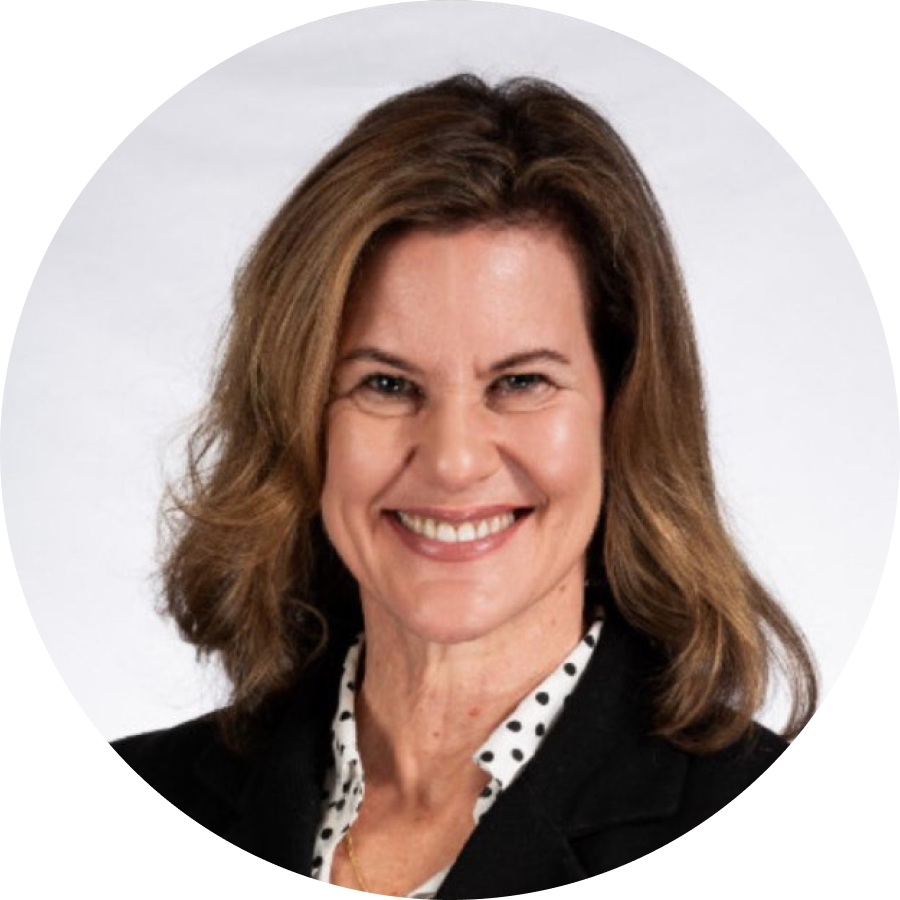
Member of the Council of the Actuaries Institute Australia

President of the Actuarial Association of Armenia

Chairman of the Management Board of the Society of Actuaries of Kazakhstan

Deputy Chairman of the Kyrgyz Society of Actuaries

Deputy Director of the Actuarial Society of Uzbekistan

Independent Researcher and Software Developer

Licensed Actuary of the Republic of Kazakhstan

Actuary and Automation Consultant
The full version of the programme includes topics, timings, participation formats and key sessions in a convenient structure.
Updated on 08.05.2026

A welcome coffee break, participant registration, first introductions and a calm start to the working rhythm of the Congress.

Session 1.
The Architecture of the Future of Finance: Data, AI, Models and Risk in a New Regulatory Reality. Risk-based regulation and trust in data
A plenary session with regulators. The Eurasian Economic Commission and national regulators will discuss how approaches to models and AI can be aligned, how expectations around resilience and consumer protection are changing, and how new standards and technologies are reshaping the financial landscape across Eurasia. The session will also include remarks marking the 25th anniversary of the Society of Actuaries of Kazakhstan and the first year of Global Finance Association QRAFT.

Time to reflect on the first session, exchange contacts and continue the conversation in a more informal setting.

Session 2.
New IFRS 17 and Solvency II Standards: transparency of calculations, data and capital
This session will focus on the practical implementation and ongoing application of IFRS 17 and Solvency II. We will look at data and assumptions management, reproducibility of calculations, full audit trail and the link between financial reporting, capital requirements and the wider enterprise risk management framework.

Photography, short interviews and media coverage from the venue.

Time for business conversations, focused meetings and identifying areas for cooperation.

Session 3.
Forum of Regional Actuarial Associations: standards and international cooperation. Challenges facing actuarial associations across the region
Leaders of actuarial associations from Central Asia and the Caucasus will discuss the development of the profession, standards, ethics, AI literacy and cooperation with international organisations. Particular attention will be given to the 25th anniversary of the Society of Actuaries of Kazakhstan.
A pause for exchanging ideas, continuing conversations and making first agreements.

Session 4.
Quantitative and actuarial models in the age of Artificial Intelligence: from pricing to model risk management. Cybersecurity and operational resilience: scenarios, metrics, accountability and the digitalisation of insurance solutions
We will explore how models are evolving in the age of AI, from interpretable ML to the use of GenAI, LLMs and AI agents in analytics and management decision-making. A separate part of the session will focus on cyber risk, operational resilience and third-party risk, including scenario modelling, quantitative impact assessment, governance and incident readiness. AI will be viewed from both sides: as a tool for protection and as a source of new threats.

Informal networking, continued discussion, new introductions and conversations without ties.
A gentle start to the day, fresh conversations and an easy return to the programme after Day One.

Session 5.
Climate and Catastrophe Risks: natural catastrophe modelling, reinsurance and ESG
This session will cover modern catastrophe models, climate scenarios, stress testing and insurance portfolio protection. We will also look at reinsurance, parametric solutions and alternative capital as tools for narrowing the protection gap.
An opportunity to exchange case studies and discuss how the morning’s ideas can be applied in practice.

Session 6.
From mass risks to complex projects: measurable trust in the insurance of sector-specific risks
Insurance is increasingly moving beyond standardised risks towards complex, capital-intensive projects in construction, agriculture, energy and infrastructure. The session will focus on how quantitative models, NatCat approaches, reinsurance and AI help build measurable trust in the assessment and management of these risks, while strengthening portfolio resilience.
Time for substantive discussions and agreeing practical next steps.

Session 7.
Pensions and public pension liabilities: demographics and sustainability
We will examine demographics and long-term liabilities, including actuarial valuation and stress testing of public pension obligations, longevity risk, indexation mechanisms, asset-liability management and reform parameters in the context of demographic change.
Final networking, exchange of plans and strengthening of professional connections.

Session 8.
Education and talent: programmes for Quants / Risk / Actuary / Data / FinTech
This session will explore the capabilities most likely to matter in 2026-2028: GenAI, large language models, AI agents, cloud infrastructure, research and modelling pipelines, LLMOps/MLOps, as well as model ethics and communication. It will conclude with a practical set of ideas for corporate and professional learning tracks.

Session 9.
QRAFT Awards
A closing session with key conclusions and the recognition of leading insurance companies across Eurasia. Best practice will be acknowledged in areas including the maturity of Quant / Risk / Actuary / Data functions, digital maturity and customer journey, risk management and risk culture, actuarial and modelling practice of the year, data, AI and analytics, anti-fraud and cyber resilience, and modern approaches to IFRS 17 and Solvency II reporting.